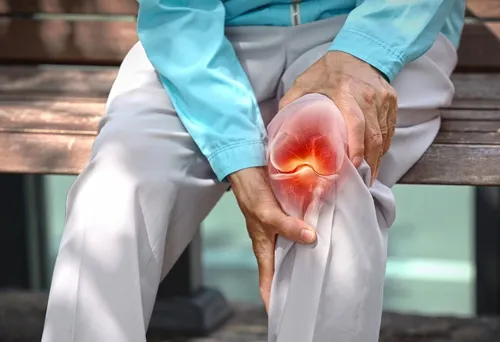
What Happens to Your Body When You Stop Using a Body Part for 30 Days?

Breaking News Zambia
NewsHave you ever wondered what happens to a body part when you stop using it for an extended period? While the human body is remarkably adaptable, prolonged inactivity can cause noticeable changes, particularly in muscles, joints and bones. The idea that any body part becomes unusable after 30 days of inactivity is a myth. There […]
Have you ever wondered what happens to a body part when you stop using it for an extended period? While the human body is remarkably adaptable, prolonged inactivity can cause noticeable changes, particularly in muscles, joints and bones.
The idea that any body part becomes unusable after 30 days of inactivity is a myth. There is no fixed 30-day deadline at which a body part suddenly stops functioning. However, when a muscle or limb is not used normally for several weeks, the body can begin adapting to the reduced demand.
One of the most noticeable effects is muscle atrophy, which refers to a reduction in muscle size and strength. Muscles require regular activity to maintain their strength. When a muscle is used less, the body has less reason to maintain the same amount of muscle tissue.
Looking for the latest sports odds and markets? Check them out here.
This can happen when someone is confined to bed, has a limb immobilised in a cast, or significantly reduces physical activity. The longer the inactivity continues, the greater the potential loss of strength and muscle mass.
After around 30 days of reduced use, a person may therefore notice that the affected limb or muscle feels weaker than before. Everyday movements that previously required little effort can become more difficult, particularly if the period of inactivity was substantial.
Joints can also be affected by prolonged inactivity. Regular movement helps maintain joint mobility. When a joint is kept still for an extended period, it can become stiff and its normal range of motion may decrease. This is one reason rehabilitation and gradual movement are often important after injuries or periods of immobilisation.
Bones are also influenced by physical activity. Weight-bearing and resistance activities provide mechanical stimulation that helps maintain bone strength. Prolonged inactivity can reduce this stimulus and, particularly in situations involving extended immobility, contribute to loss of bone density.
The cardiovascular system can also respond to inactivity. A person who becomes significantly less active may experience reduced physical fitness, meaning they can become tired or short of breath more quickly when they resume normal activity.
Looking for the latest sports odds and markets? Check them out here.
However, the body does not simply “forget” how to use a limb after 30 days. Recovery is generally possible, although the amount of time required depends on the person’s age, health, fitness level, duration of inactivity and the reason the body part was not being used.
Returning to activity should also be gradual, especially after an injury or prolonged immobilisation. Trying to immediately return to the level of activity performed before the period of inactivity can increase the risk of injury.
It is also important to distinguish between not using a body part voluntarily and being unable to use it because of a medical condition. Sudden inability to move an arm or leg, especially when accompanied by symptoms such as facial weakness, speech difficulties, severe dizziness or confusion, can be a medical emergency and requires immediate medical attention.
Ultimately, there is no scientific “30-day rule” for unused body parts. Instead, the body continuously adapts to the demands placed upon it. Less use can lead to reduced muscle strength, stiffness and declining physical capacity, while appropriate movement and rehabilitation can help restore function.
The key lesson is simple: the human body is designed for movement, and regular physical activity helps maintain muscle strength, joint mobility, bone health and overall physical fitness.
❤️ Support ZED GOSSIP: Choose to bet? Sign up with 1xBet through our affiliate link and support the work we do. Your support helps us keep Zed Gossip running and bringing you the latest Zambian news, entertainment and sports. 18+ | Bet responsibly.



Community Feedback