RECONCILIATION AND UPHOLDING THE RULE OF LAW ARE TWO DIFFERENT THINGS

Breaking News Zambia
NewsRECONCILIATION AND UPHOLDING THE RULE OF LAW ARE TWO DIFFERENT THINGSArticle by James SakalaAs Zambia emerges from the 2026 general elections, the country faces an important responsibility: to heal political divisions,...
RECONCILIATION AND UPHOLDING THE RULE OF LAW ARE TWO DIFFERENT THINGS
Article by James Sakala
As Zambia emerges from the 2026 general elections, the country faces an important responsibility: to heal political divisions, restore trust and strengthen national unity. However, reconciliation and the upholding of the rule of law are two different things, and one should never be pursued at the expense of the other.
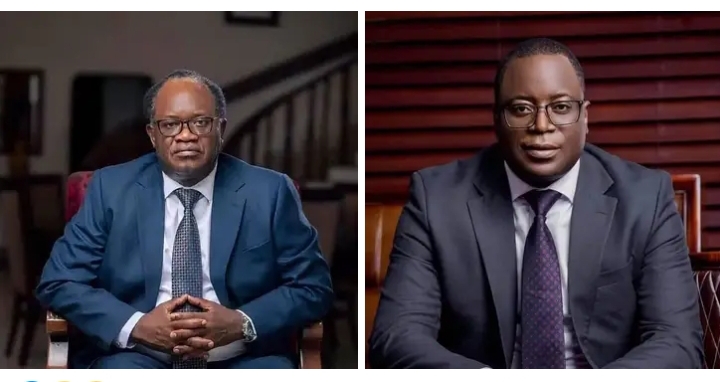
This is particularly important in the wake of the alleged treason case involving NRPUP leaders, following events surrounding the August 13, 2026 general elections. Among those facing allegations is Brain Mundubile and other individuals who, according to the authorities, came under investigation over matters involving alleged possession of sophisticated military weapons and other security-related concerns.
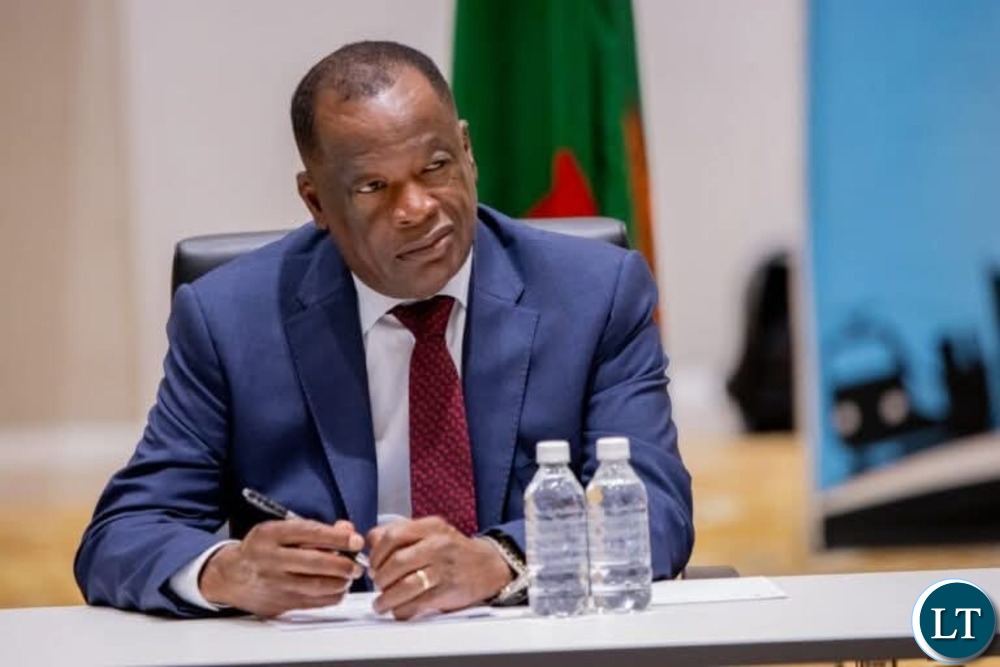
Since the reported incident, state security agencies have been conducting investigations, with the matter subsequently entering the judicial process. The development has understandably generated mixed reactions among members of the public, with some calling on President Hakainde Hichilema to forgive his political opponents and use the post-election period to promote reconciliation.
There is nothing wrong with calling for reconciliation. Indeed, after an election, regardless of political affiliation, Zambia needs healing, dialogue and a renewed commitment to working together as one nation. But reconciliation must not be confused with the abandonment of the law, particularly when allegations before the courts concern the security and stability of the Republic.
Zambia is a sovereign constitutional democracy governed by laws and institutions. When serious allegations are made, the appropriate response is not trial by public opinion, political pressure or sympathy, but allowing competent institutions to investigate and the courts to determine whether the accused have a case to answer and, ultimately, whether they are guilty or innocent.
A country cannot afford to treat matters involving national security as though they were simply political disagreements that can be settled through political forgiveness. While forgiveness is a virtue, especially in a Christian nation such as Zambia, the responsibility of protecting citizens, maintaining public order and safeguarding national institutions remains a constitutional responsibility of the State.
At the same time, the rights of those accused must be fully respected. The principle that a person is presumed innocent until proven guilty is fundamental to justice. Those facing allegations must therefore be accorded a fair hearing, access to legal representation and all protections guaranteed under the Constitution and the law.
Similarly, calls from international human-rights actors for the release of detained individuals should be considered within the broader framework of Zambia’s sovereignty and judicial independence. International voices can legitimately raise concerns about human rights and due process, but such interventions should not be interpreted as replacing Zambia’s courts or dictating the outcome of an ongoing judicial process.
The greater danger would be to allow political emotions to determine how cases involving national security are handled. If individuals accused of serious offences are guilty, the courts should establish that through due process; if they are innocent, the same courts should clear them. In either circumstance, the integrity of the judicial process must remain intact.
Reconciliation should therefore begin with respecting the law. Zambia can forgive political differences without forgiving criminal conduct that has not yet been tested before a court. Equally, Zambia can defend the rule of law without turning political opponents into enemies of the State.
The lesson from countries that have experienced political violence, civil conflict and instability is that the consequences can be devastating. Lives can be lost, families separated, property destroyed and national development set back for generations. Zambia has every reason to protect the peace it has enjoyed and ensure that political disagreements never degenerate into violence.
As a Christian nation, Zambia’s commitment to peace, love, forgiveness and unity should remain unwavering. But Christianity does not demand that a country abandon justice; rather, justice, truth, accountability and mercy must work together.
President Hakainde Hichilema and the Zambian people have an opportunity to demonstrate that reconciliation and accountability can coexist. The country can heal politically while allowing the courts to independently determine the facts and the law.
Therefore, the call should not simply be for political forgiveness or the immediate dropping of cases, but for peace, justice, due process and national unity.
Let the courts take their course. Let investigators do their work within the law. Let the accused enjoy the presumption of innocence. And let every Zambian, regardless of political affiliation, respect the outcome of a lawful judicial process.
Reconciliation is necessary for Zambia’s healing, but reconciliation must never become a substitute for the rule of law.
Better Days are coming

Community Feedback